We are a language archive investigating whether Omeka S can be successfully used for our collections, and therefore have several language-related questions:
In the manual it states that media cannot have more than one designated language - why is that, and is there anything existing that can change that?
Can items have as many associated languages as needed (some of our items have up to ca. 50 associated languages)?
The language infrastructure looks like it requires IETF identifiers. What do you do if there is no existing IETF tag for a language/variety?
Thank you!
I’m hoping you can give me some use cases of what you’re looking to do.
The media-specific language tag isn’t yet in use by any Omeka functions that I know of. It may get used in the future, but right now you can’t, for example, display one thumbnail instead of another based on the Omeka S site’s localization settings, the way you can display a title tagged as one language instead of another.
Can you tell me what you are hoping to do with this setting? I’m imagining you have multiple media attached to one item: what is the situation where each media needs a different language tag, and where each needs more than one?
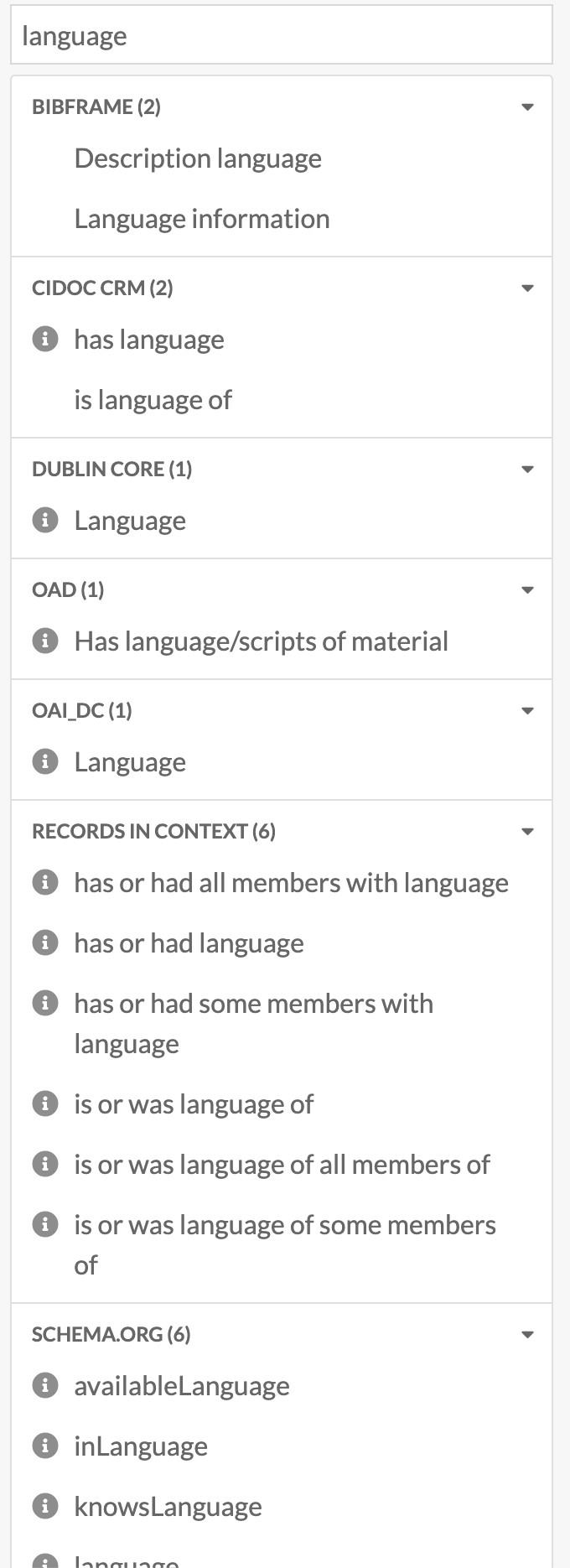
Items can have different types of language-related metadata fields, from a number of vocabularies, with as many entries as you want. So, if you’re describing a handwritten letter with 5+ languages included inside it, you could tag the item with those 5 language tags in the Dublin Core Language field, and then the item would come up if a user browsed for items in any of those 5 languages. Note the variety of descriptive fields that may help you here - this is just an example from the vocabularies currently installed on my server:
These values should be human-readable for public browsing purposes, not IETF (or, you could enter a URI to point to a value in a language vocabulary).
Items (and media) can have as many metadata entries as you want, e.g. you could have a title in each of 150 different languages. If you had 150 sites, and set each to a different locale, the item would display with the corresponding title on each site.
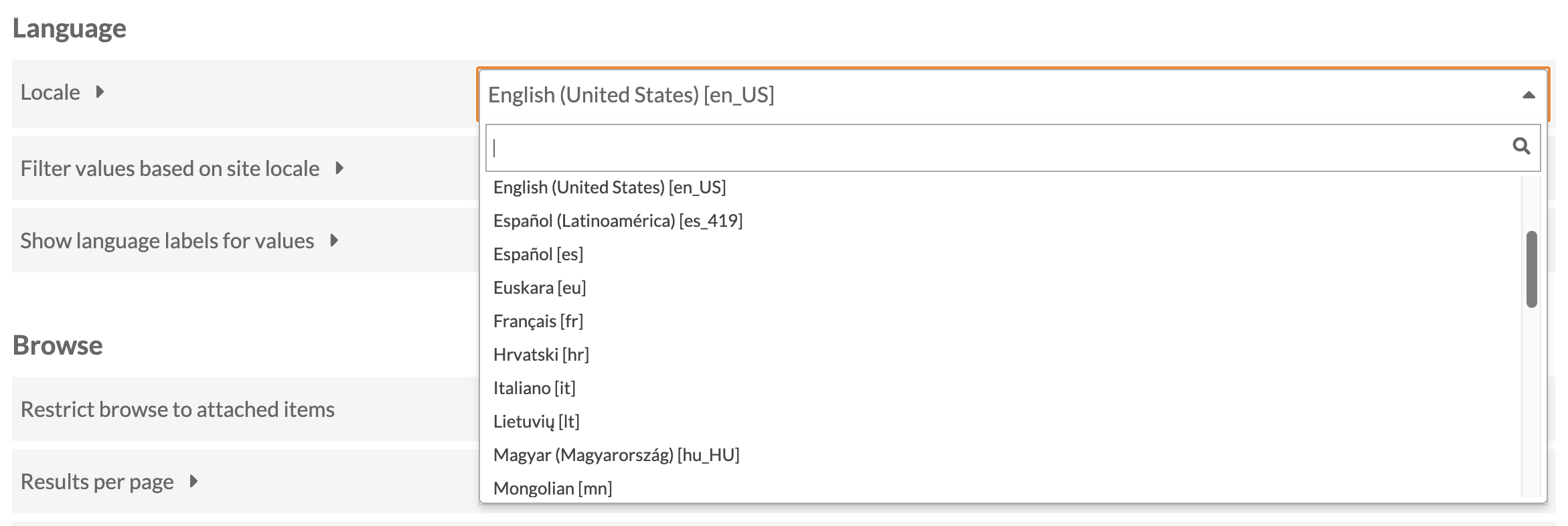
Setting a language on a metadata entry (a metadata field on each metadata field) requires IETF tags, yes, as does the media field you asked about in #1. But the way we use that information is somewhat limited inside Omeka, mainly for the site locale option above, and relies a lot on what’s been translated in Transifex (Translate Omeka S - Omeka S User Manual), which may not be applicable to your project anyways (Omeka S localization | Transifex).
I’m pretty sure any tag you can find with Language subtag lookup app can be entered in Omeka. New language tags should be submitted to the IANA itself.
You can post metadata or media entries without a language tag, then go back and find them later based on the human-readable labels you applied in #2, if your submission is approved.